Practical comparison

imagine art vs higgsfield ai: a hands-on guide

The imagine art vs higgsfield ai choice depends less on a universal winner and more on the kind of visual work you need to finish. Compare the tradeoffs before changing your workflow.

Total cost table

A useful comparison starts with the full cost of a workflow, not just the headline access price. Review plan terms, generation limits, export needs, and the value of time saved.

1

ImagineArt

Recommended

A flexible starting point for prompt-led image exploration.

In its favour

  • Good fit for trying multiple visual directions from written prompts.
  • Useful when you want a straightforward image-first workflow.
  • Can reduce tool switching during early concept development.

Against it

  • Exact model access, limits, and export terms should be checked before a production commitment.
  • A broad image workflow may require extra steps for motion-focused deliverables.
2

Higgsfield AI

A stronger candidate when cinematic motion and animated presentation are central.

In its favour

  • Appeals to creators planning movement, camera energy, or short-form visual sequences.
  • Can make a motion-oriented concept feel closer to its intended format.
  • May be more efficient when the final output is video rather than a still image.

Against it

  • A motion-first workflow can add complexity when the immediate need is only a static image.
  • Current plans, credits, output limits, and commercial terms can change and need verification.

Where quality differs

Quality is not one score. It includes prompt interpretation, visual consistency, motion potential, refinement control, and how closely the result matches the intended deliverable.

1

Best starting format

ImagineArt

Written prompts for still-image concepts

Higgsfield AI

Motion-oriented concepts and cinematic sequences

2

Prompt interpretation

ImagineArt

Strong fit for testing descriptive visual ideas

Higgsfield AI

Useful when the prompt also implies movement or a shot

3

Static image exploration

ImagineArt

Usually the more direct path

Higgsfield AI

May be more capability than a still-only brief needs

4

Motion and camera intent

ImagineArt

May require a separate motion workflow

Higgsfield AI

More naturally aligned with cinematic movement

5

Style iteration

ImagineArt

Convenient for comparing several prompt directions

Higgsfield AI

Useful when the style needs to survive into a sequence

6

Production consistency

ImagineArt

Depends on prompt discipline and repeatable settings

Higgsfield AI

Depends on shot planning, references, and output controls

7

Learning curve

ImagineArt

Often easier for a first image experiment

Higgsfield AI

Can take longer when motion controls enter the process

8

Best quality test

ImagineArt

Generate the same subject in three distinct art directions

Higgsfield AI

Turn one subject into a short visual sequence with intentional movement

Where time differs

The fastest tool is the one that matches the next decision. Do not compare generation time alone; include setup, revisions, exports, and the number of handoffs in the workflow.

When

You need several still concepts in one sitting

Then

Choose ImagineArt for the first pass.

A prompt-led image workflow keeps the brief close to the output and makes rapid direction testing easier.

When

You already know the concept and need motion-ready presentation

Then

Choose Higgsfield AI for the next pass.

Starting in a motion-oriented environment can remove the later handoff from a still concept into an animated treatment.

When

You are unsure whether the final asset is an image or a sequence

Then

Prototype the still in ImagineArt, then test the strongest direction in Higgsfield AI.

This separates art-direction decisions from motion decisions and avoids spending time animating weak concepts.

  • Still concept
  • Motion-ready direction

A practical workflow can begin with a still concept, then move to motion only when the idea earns the extra production step.

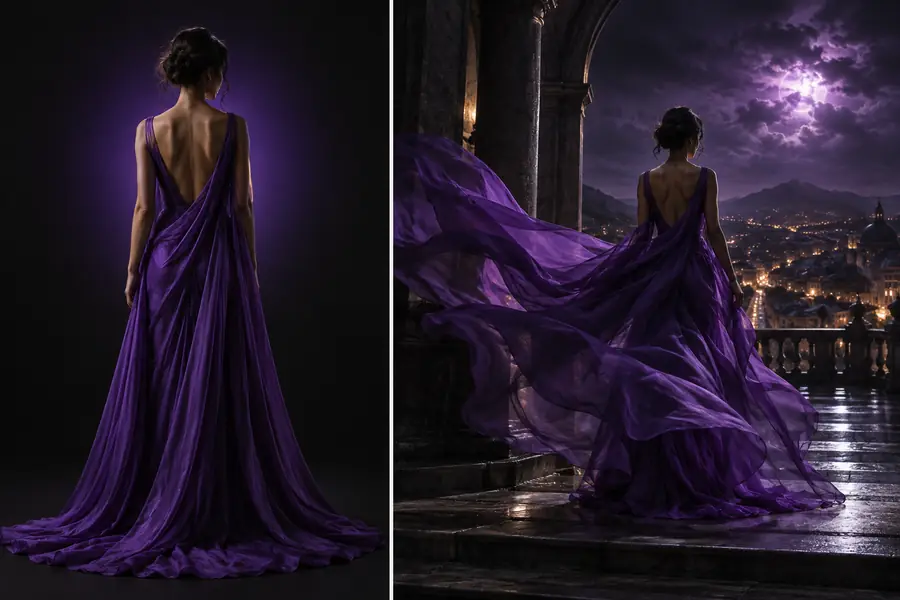
Still visual concept prepared for comparison
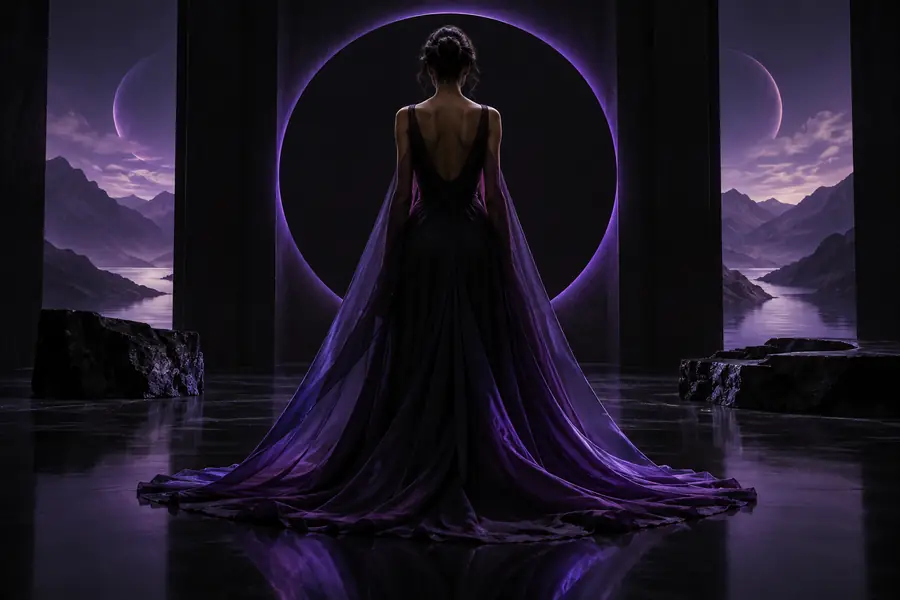
Cinematic visual treatment suggesting motion and camera direction

When switching is worth it

Switching tools is worthwhile when it removes a repeated bottleneck. It is not worthwhile simply because another interface looks newer or promises a different style.

  • No universal quality winner

    The strongest result depends on the subject, prompt, reference material, desired format, and how much revision you can perform.

    WorkaroundRun the same brief through both tools and judge the outputs against the final use case.

  • Plan details can change

    Access, credits, model availability, export rules, and commercial permissions may differ over time.

    WorkaroundCheck the current terms for the exact account and output type before committing to a pipeline.

  • A still test cannot prove motion quality

    A polished image does not automatically become a convincing video, and a motion-first demo may not reflect still-image needs.

    WorkaroundTest the format you will actually publish, including the final aspect ratio and duration.

  • Switching has a learning cost

    New controls, prompt habits, references, and export steps can slow a team before they improve it.

    WorkaroundSwitch one project or one stage at a time and keep a short record of prompts and settings that work.

The decision in numbers

Use these guideposts to keep the comparison practical rather than treating the choice as a brand preference.

1 Compared across the same creative brief
2 tools
2 Quality, format, time, control, cost, and handoffs
6 checks
3 Reasons to stay, test, or switch workflows
3 signals
4 The fairest test uses the same subject and output goal
1 brief

Comparison FAQ

These answers focus on the practical question behind the search: which tool is the better fit for the work you need to complete?

Neither tool is automatically better for every project. ImagineArt is the more natural starting point for prompt-led still-image exploration, while Higgsfield AI may fit better when cinematic motion or sequence planning is central.

ImagineArt may feel easier when the goal is to describe an image and explore visual directions. Higgsfield AI can make more sense for a beginner whose actual goal is a motion-oriented or cinematic result, even if that workflow has more concepts to learn.

Switch when your current workflow repeatedly stalls at motion, camera direction, or sequence presentation. If you mainly need still concepts, switching may add complexity without solving the problem.

Yes, a staged workflow can be useful: develop and compare still concepts first, then move only the strongest direction into a motion-focused test. This lets each tool handle the part of the process it suits best.

Use the same subject, visual intent, aspect ratio, and delivery requirement in both workflows. Judge the finished result by revision time, consistency, export readiness, and fit for the final channel rather than by one impressive sample.

Start creating
Start creating