Beginner ideas

Practical imagine art examples for beginners

These imagine art examples for beginners turn a vague idea into a useful visual through three repeatable workflows. Start with a specific subject, choose a clear style, and refine one detail at a time.

Free to start · no signup

At a glance

The scenario's pain

Beginners rarely struggle with imagination; they struggle with translating an idea into words, choosing a usable format, and knowing what to change when the first result misses the mark.

1 Practical ways to start
3 workflows
2 Beginner-friendly use cases
5 scenarios
3 Prompt, then refine
2 stages
4 Before sharing an image
4 checks

Start here

Three concrete workflows

Use one of these workflows when you need a useful result quickly. Each begins with a concrete subject and ends with a visual you can review, revise, and adapt.

The student

Turn a class topic into a visual study aid, such as a labeled-looking scene of the water cycle or a historical setting.

You get a memorable starting image for a presentation or revision board, while keeping the written facts under your own control.

what is imagine art
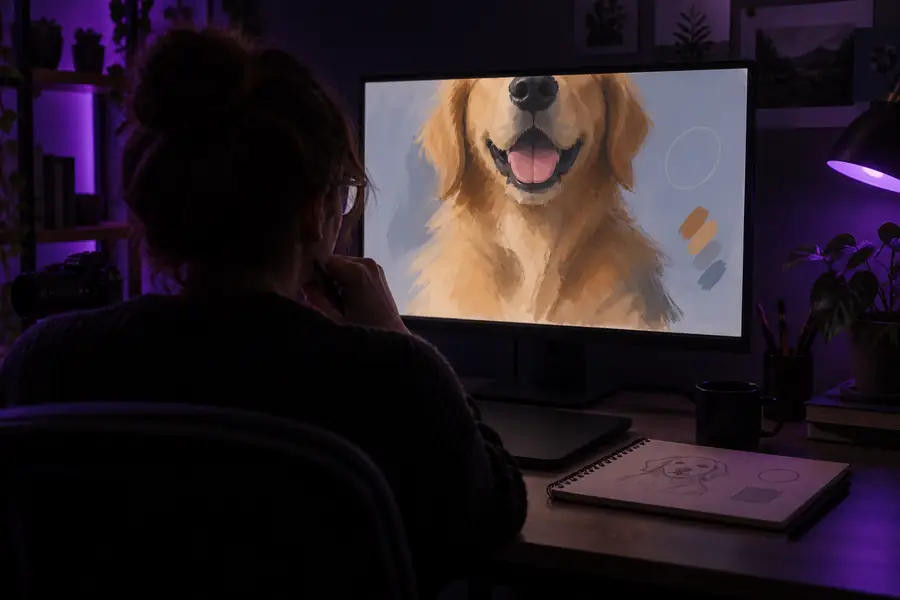
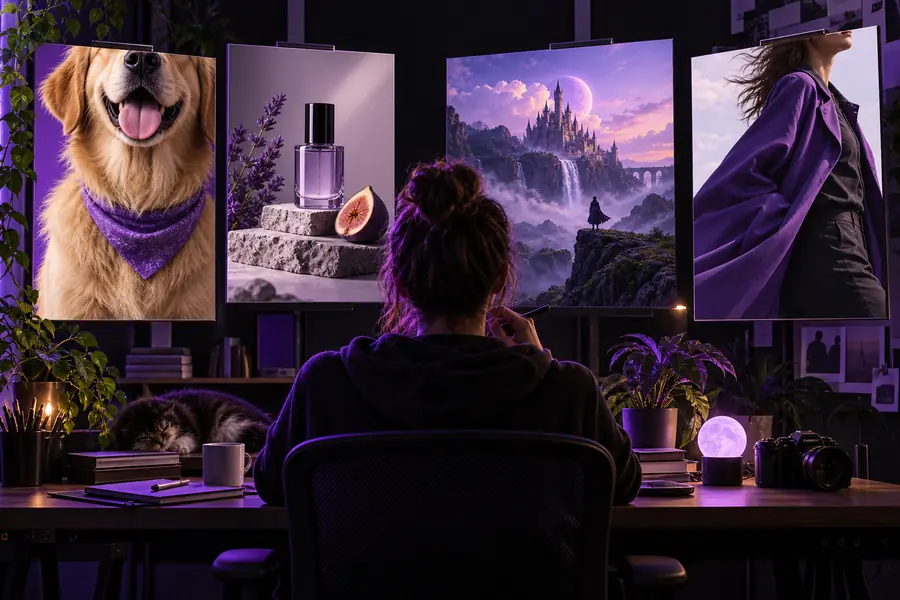
The social creator

Create a square concept for a post by combining a subject, mood, color direction, and intended audience.

You can explore several visual directions before choosing one that fits the post without spending time arranging a full photoshoot.

imagine art online

The small business owner

Visualize a product idea with a setting, lighting style, material, and camera angle before making a design brief.

A rough concept gives collaborators something concrete to discuss and makes revisions easier to explain.

imagine art text to image

The hobby illustrator

Describe a character, creature, room, or landscape using a subject-first prompt and one defined artistic style.

You receive a visual seed for a sketch, mood board, or personal story rather than facing a blank canvas.

how to use imagine art for beginners

The privacy-conscious tester

Use a fictional subject and generic setting to learn how prompt wording changes composition, color, and detail.

You can practice the workflow without uploading personal photos or revealing sensitive project information.

is imagine art safe to use

See the change

Example output

A useful beginner prompt does not need technical jargon. It needs a subject, a setting, a visual direction, and one constraint that helps the image stay focused.

  • Loose idea
  • Focused prompt
Simple beginner image concept before prompt refinement
Refined creative image concept after prompt refinement

Choose carefully

Compliance notes

Examples are for ideation and practice, not a substitute for checking rights, facts, or permission. Use the simplest prompt that meets the project need.

When

Choose a fictional subject and generic setting

Then

Use it for practice, mood boards, classroom concepts, and early brainstorming.

You reduce privacy concerns and can focus on learning how prompt details affect the result.

When

Choose an original or licensed reference

Then

Use it when the visual must reflect a real brand, person, product, or campaign.

Permission and usage rights matter more than visual similarity when an image will be published.

When

Choose a review-first workflow

Then

Inspect people, text, logos, cultural details, and factual claims before sharing or relying on the output.

Generated images can contain mistakes, accidental resemblance, or details that need human correction.

Keep exploring

Use these focused pages to move from examples into definitions, access, and hands-on creation without losing the simple workflow.

Scenario FAQ

Scenario FAQ

Short answers to common questions beginners ask before trying an example workflow.

Start with a simple study illustration, social post concept, product idea, character, or landscape. These scenarios are easy to describe because you can name the subject, setting, style, and intended use.

Use enough detail to define the subject, setting, visual style, and composition, but avoid adding a long list of conflicting instructions. Refine the image by changing one important detail at a time.

They can be useful as brainstorming material, presentation inspiration, or an early concept, but review the result before relying on it. Check factual content, readable text, permissions, and any rules that apply to the assignment or organization.

Avoid uploading private photos or sensitive information unless you understand how they are handled and have permission to use them. Also avoid assuming that a generated person, logo, quote, or historical detail is accurate without checking it.

Start creating
Start creating